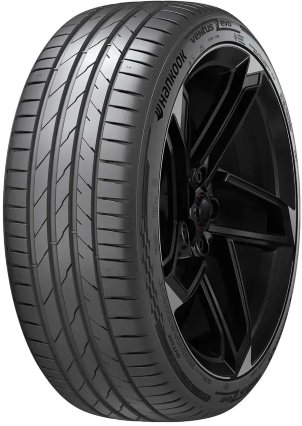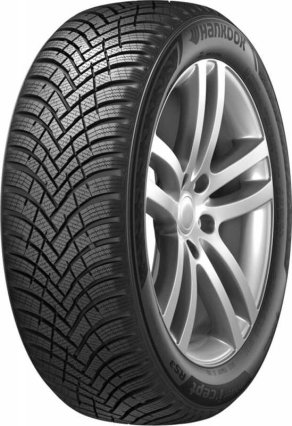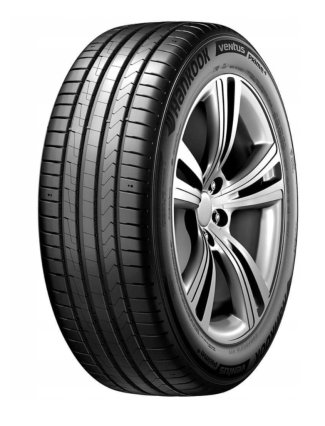

Compared to the older Ventus Prime 3 model, it promises improvements in handling comfort and greater mileage
Unlike the Ventus Prime 3, the Hankook K135 Ventus Prime 4 design features more cuts and grooves, intended for better handling. The main change is the switch to 3D sipes, which prevent tyre deformation. This is also aided by the chamfering of the tread blocks, which makes the blocks flex less so the tyre does not lose its shape. Edge chamfering is already used by several manufacturers, especially on all-season tyres, where slight deformation matters, since the tyre needs the properties of both winter and summer tyres.
We are used to manufacturers mentioning the new compound when they launch new tyres. In the modern age of technology there are more ways to modify compounds, and everyone is looking for the right way to cut back on the use of natural rubber and replace it with synthetics that have better properties.
Among other things, the new compound has to ensure lower wear and greater mileage; compared to the Ventus Prime 3, mileage increases by 20%.
If you set off on a trip or another longer drive by car in summer, you will most likely run into summer rain or a storm. Hankook thought about this and improved the tread blocks so the tyre dries better and, above all, shortens the braking distance. The blocks of the new Hankook Ventus Prime 4 tyres are curved outwards, making water drainage from under the tyre more efficient. At first glance, the intricate design resembles airless tyre technology, which several manufacturers are developing as a replacement for the classic air-filled tyre. The block walls are covered with anechoic chamber elements that block noise and thus ensure a low noise level.
Hankook has its own vision and knows what it is doing. Reducing wear and increasing mileage is today's trend. This is also linked to the electrification of vehicle fleets, since electric cars need tyres with a greater load capacity and durability