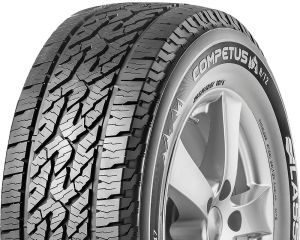

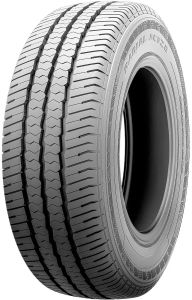

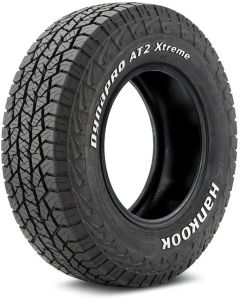



Summer tyres in size 215/80 R15 are available at the Rīgas Riepas online store, with prices starting from 50,00 €. The selection includes summer tyres from leading brands, including Goodride, Hankook, Lassa and others.
Summer tyres - safe driving in the warm season
Summer tyres are designed to perform at temperatures above +7°C and provide optimal grip on dry and wet road surfaces during the warm months. Their rubber compound is harder than that of winter tyres, which means less wear, lower rolling resistance and, as a result, reduced fuel consumption.
When to switch to summer tyres
In Latvia, the best time to fit summer tyres is from mid-April to early May, when the average daily temperature stays consistently above +7°C and night frosts are no longer expected. Switching to summer tyres too early can be dangerous, because at low temperatures the rubber of summer tyres hardens and loses grip. Driving on winter tyres in summer, on the other hand, accelerates their wear and lengthens the braking distance in dry conditions.
Advantages of summer tyres
- Shorter braking distance - on a dry surface, summer tyres provide up to 15% shorter braking distances compared with winter tyres.
- Better handling - a stiffer construction and an optimised tread deliver more precise steering and better road feel.
- Lower fuel consumption - lower rolling resistance can save 0.3-0.5 litres per 100 km compared with winter tyres.
- Less noise - the tread pattern of summer tyres generates less rolling noise, making driving quieter and more comfortable.
- Longer service life - a harder rubber compound means slower wear in summer conditions.
Tread types and what they mean
Summer tyres are available with different tread types to suit different driving styles:
- Symmetric tread - an economical choice for calm city driving. Easy fitting and the option to rotate the tyres.
- Asymmetric tread - the most common type today. The outer side provides grip in corners, the inner side channels water away. A good compromise between sporty and comfortable driving.
- Directional tread - the most effective against aquaplaning. The V-shaped pattern channels water away quickly, but these tyres cannot be swapped from one side to the other.
The risk of aquaplaning and how to reduce it
Aquaplaning occurs when a layer of water forms between the tyre and the road, completely breaking the grip. In Latvia, where summer rainfall is considerable, this is a serious risk. To reduce the likelihood of aquaplaning, choose tyres with a good EU label wet grip rating (class A or B), maintain the correct tyre pressure and replace worn tyres in good time. The minimum tread depth for summer tyres is 1.6 mm, but for safety it is advisable to replace them as early as 3 mm.
The most popular summer tyre models
Among the summer tyre models favoured by Latvian drivers are the Continental PremiumContact and EcoContact series, Michelin Primacy and e.Primacy, Bridgestone Turanza, Goodyear EfficientGrip and Hankook Ventus. Premium-class tyres usually score better in independent comparison tests, while mid-range tyres such as the Firestone Roadhawk or Falken Ziex offer good quality at a more affordable price.
Tips for choosing summer tyres
When choosing summer tyres, pay attention to the EU label, especially the wet grip rating - rain is a frequent occurrence in the Latvian summer. Consider your daily driving profile: for city driving a more economical model is enough, while for regular motorway driving at higher speeds choose tyres with a higher speed rating and better handling. Whichever model you choose, check the pressure regularly and inspect the tread condition visually.