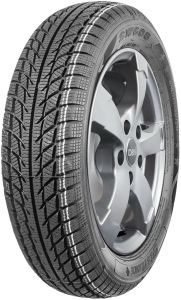



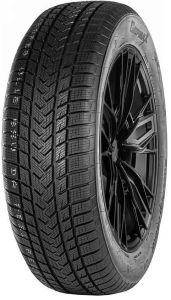

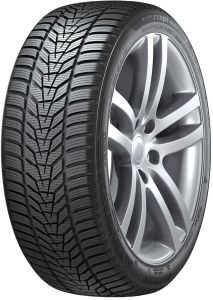



Winter tyres in size 245/30 R20 are available at the Rīgas Riepas online store, with prices starting from 57,00 €. The selection includes winter tyres from leading brands, including Hankook, Pirelli, Westlake and others.
Winter tyres - safe driving in the Latvian winter
The Latvian winter, with temperatures dropping to -20°C and below, snow cover lasting 75-100 days a year and frequent freeze-thaw cycles, demands quality winter tyres. They are not only a legal requirement but also an essential safety element that can save lives.
Latvian legal requirements
Under Latvian road traffic regulations, winter tyres are mandatory from 1 December to 1 March. The Cabinet of Ministers may extend this period depending on the weather conditions. Winter tyres must be marked with the M+S, M.S, M&S or 3PMSF (three-peak mountain snowflake) symbol. The minimum tread depth in the winter period is 4 mm - twice as much as for summer tyres. Driving without winter tyres during the mandatory period can result in a fine of 30 to 80 euros.
Studded or studless winter tyres
In Latvia, studded tyres are permitted from 1 October to 30 April. Studded tyres provide excellent grip on ice and packed snow, but they also have drawbacks:
- Advantages of studded tyres: the best grip on ice (up to 40% shorter braking distance), stability on packed snow, safer driving in icy conditions.
- Drawbacks of studded tyres: a longer braking distance on dry surfaces, more noise, damage to the road surface, banned in many European countries.
Studless (friction) winter tyres are a good compromise, as they perform well both on snow and on wet roads, and they can be used throughout Europe without restrictions.
Winter tyre technologies
Modern winter tyres use several technologies to ensure safe driving:
- Silica rubber compound - stays flexible even at very low temperatures, providing grip where ordinary rubber would harden.
- Sipes - fine grooves in the tread that create extra edges for grip on slippery surfaces. The more sipes, the better the grip on ice and snow.
- Deeper tread - winter tyres usually have a tread depth of 8-10 mm (summer tyres - 7-8 mm), which clears snow and slush more effectively.
When to switch to winter tyres
Although the law only requires winter tyres from December, experts recommend fitting them as early as October-November, when the average temperature drops below +7°C. At this temperature the rubber of summer tyres starts to lose its flexibility, and the braking distance increases considerably. In Latvia the first night frosts and icy patches usually appear as early as October, so changing tyres in good time is important.
How to choose the best winter tyres
When choosing winter tyres for Latvian conditions, take the following factors into account:
- 3PMSF marking - make sure the tyres carry the three-peak mountain snowflake symbol, which confirms compliance with winter testing standards.
- EU label wet grip class - the Latvian winter often brings wet roads and slush, so a good wet grip rating is just as important as snow grip.
- Noise - if you mostly drive in the city, choose quieter tyres for a more comfortable ride.
- Service life - premium winter tyres usually last 3-4 seasons, budget ones 2-3 seasons.
The most popular winter tyre models for Latvian conditions
Winter tyre models highly rated in Latvia include the Nokian Hakkapeliitta series (in both studded and studless versions), Continental WinterContact and VikingContact, Michelin X-Ice and Alpin, Bridgestone Blizzak, as well as Goodyear UltraGrip. These models regularly rank highly in independent test results and have proven themselves in Northern European winter conditions.
Tyre storage over the summer
Proper storage of winter tyres between seasons is essential to preserve their properties. Before putting them into storage, wash and dry the tyres. Store tyres on rims lying flat or hung up, and tyres without rims upright, turning them once a month. The optimal storage temperature is 10-25°C, away from direct sunlight and heat sources.