A loaded crossover pulls off the highway onto a gravel exit, its cabin full of passengers and luggage, and the tyre beneath it has to handle both the extra mass and the road surface. SUV and crossover tyres are made for exactly this job: passenger-car tyres with a higher load index and often XL construction, because an SUV weighs more than a saloon of similar size. This segment is not limited to a single tread type. It covers everyday highway tyres as well as all-terrain tyres in summer, winter and all-season versions, across a wide range of sizes from R15 to R22.
SUV and crossover tyres
Tyres for crossovers, SUVs and 4x4 vehicles with the correct load index - from compact models to heavy off-roaders.
839 tyre models available
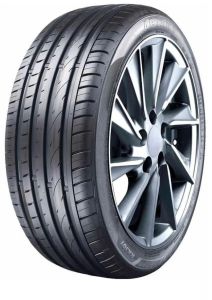

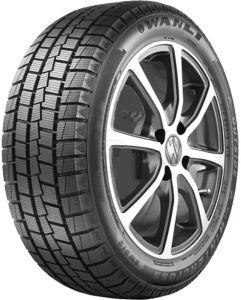

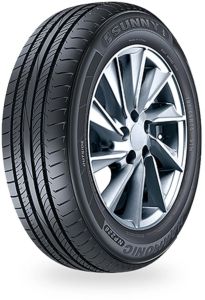

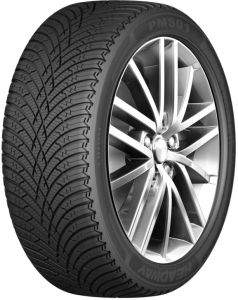

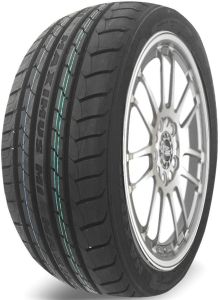



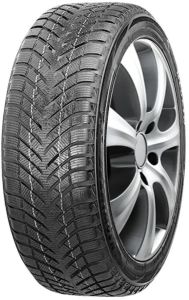

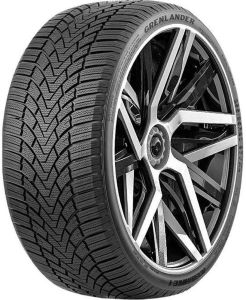


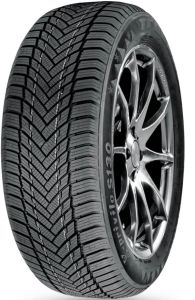

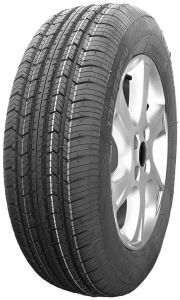

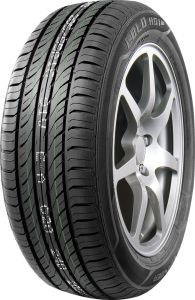
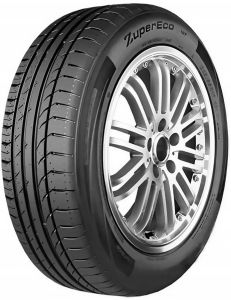
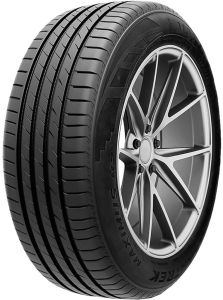





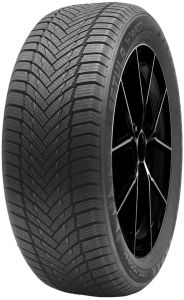

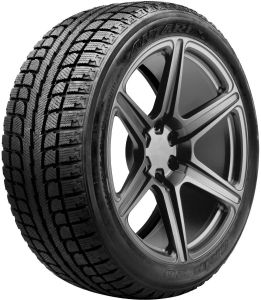
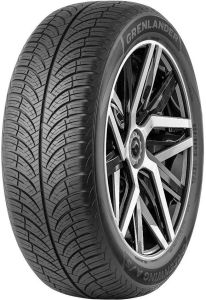

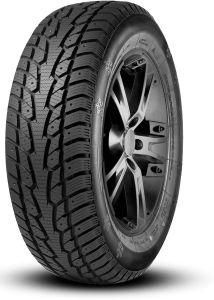




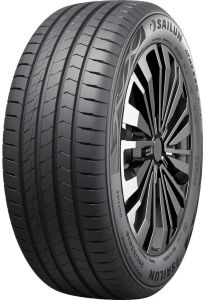
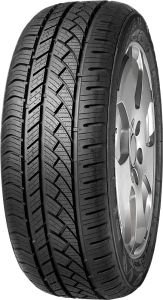

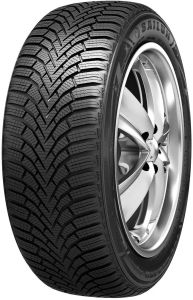


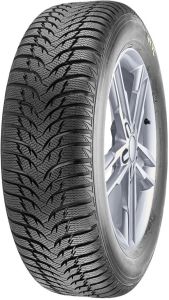


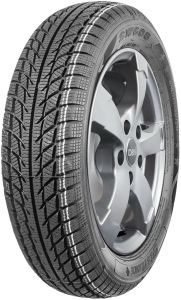
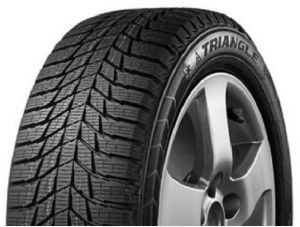

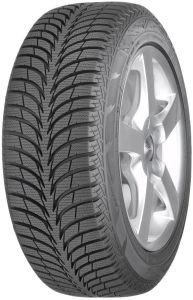


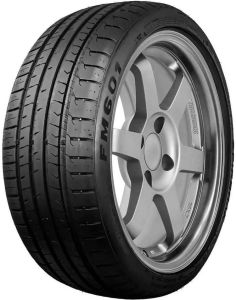

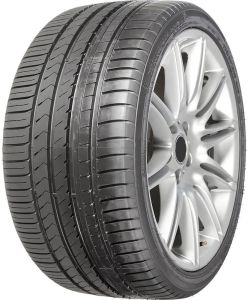


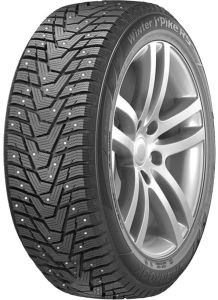

Loading...
Tread and construction: what they deliver on the road
What sets an SUV tyre apart is not some special rubber compound, but the construction beneath the tread. A heavier vehicle puts more strain on the sidewall, so many tyres in this segment have XL (Extra Load) construction - reinforced sidewalls and extra plies that withstand more weight at higher pressure. If the factory fitted an XL tyre, you should choose XL as a replacement too; a standard (SL) tyre on a heavy SUV simply gets overloaded.
The tread pattern determines where a tyre feels at home. A highway (HT) tyre has shallower grooves and a smoother pattern, so it runs quieter, has lower rolling resistance and lasts longer on tarmac. An All-Terrain tread is dominated by large blocks and deep grooves that bite into gravel and mud, but on the highway it is louder and wears faster. For most crossover owners who drive on tarmac and gravel roads, the more practical choice is an HT or standard SUV tyre.
- Load index. Read it off the door placard or the service book. The load index specified by the manufacturer must not be lowered, even if the size matches; Michelin warns that a lower index can end in sidewall damage and loss of handling.
- XL or SL. If the vehicle specification mentions Extra Load, stick with XL. In the same size, a standard tyre carries less weight.
- HT, AT or MT. Be honest about how you drive: mostly tarmac - a highway tyre; regular off-road plus highway - All-Terrain; genuine off-road with mud and rocks - Mud-Terrain, for a niche audience.
- Rim diameter. A larger wheel and a wider tyre usually mean a firmer ride and more noise, which comfort tyres partly muffle through their construction.
- EU label. Fuel efficiency, wet grip and external noise help you compare models. For a heavy SUV and for electric cars, low rolling resistance is especially important - according to European Commission data, moving from class A to class C can reduce an EV's range by more than 8%.
An electric SUV works fine with the same passenger-car tyre with the correct load index; the most important thing is to keep an eye on weight and rolling resistance, because the battery makes the vehicle even heavier.
Frequently asked questions
The main difference lies in the vehicle class, not the tread. SUV tyres have a higher load index and often XL construction, because a crossover weighs more than a saloon of similar size, and the sizes tend to be larger.
Usually not. An All-Terrain tyre is designed for off-road use; on tarmac it is noisier, uses more fuel and wears faster. For everyday city and highway driving, a highway or standard SUV tyre will be quieter and longer-lasting.
In Latvia, winter tyres are mandatory from 1 December to 1 March for vehicles with a gross weight of up to 3500 kg, with a 3PMSF marking and at least 4 mm of tread (CSDD). For a heavy SUV, a proper winter tyre is safer than an all-season one, because greater mass means a longer braking distance on snow. An all-season tyre with 3PMSF is a legal compromise for a mild winter and low mileage.
No. The load index must not be reduced below the manufacturer's specification, even if the width, height and diameter match. Too low an index on a heavy SUV can lead to sidewall damage and loss of handling.
235 is the width in millimetres, 55 is the height-to-width ratio as a percentage, R18 is the rim diameter in inches, 104 is the load index, V is the speed rating, and XL indicates reinforced Extra Load construction.
In terms of noise and economy, highway and standard SUV tyres are close to ordinary comfort tyres. All-Terrain and Mud-Terrain tyres with a coarse tread tend to be noisier and thirstier, as do large, wide sizes. The noise and fuel classes on the EU label help you compare them.
Special tyre categories
Niche tyre segments for specific applications - from all-terrain and sports tyres to seasonal and technology-focused tyres.